
Roads are an essential part of everyday life. They connect communities, support businesses, and keep transportation moving efficiently across Arkansas and beyond. While most people drive on roads every day, few understand the amount of planning, engineering, and construction that goes into building them.
The construction of road systems involves multiple stages, each designed to create a durable surface capable of handling years of traffic and changing weather conditions. At RedStone Construction, every phase of the process is carefully managed to ensure long-term performance, safety, and structural integrity.
Understanding how roads are made provides valuable insight into the complexity of modern infrastructure and the expertise required to build roads that last.
How Roads are Made
Before construction begins, engineers and project managers start with road design and planning. This phase determines where the road will be built, how traffic will flow, and what materials and construction methods will be required.
Planning also includes evaluating environmental conditions, drainage patterns, soil composition, and traffic demands. Engineers use this information to create designs that support long-term durability and safety.
For larger infrastructure projects, planning may involve coordination with municipalities, utility providers, and transportation agencies. Proper planning is one of the most important parts of how to make a road because it helps reduce delays and prevents costly issues later in construction.
Site Preparation and Earthwork
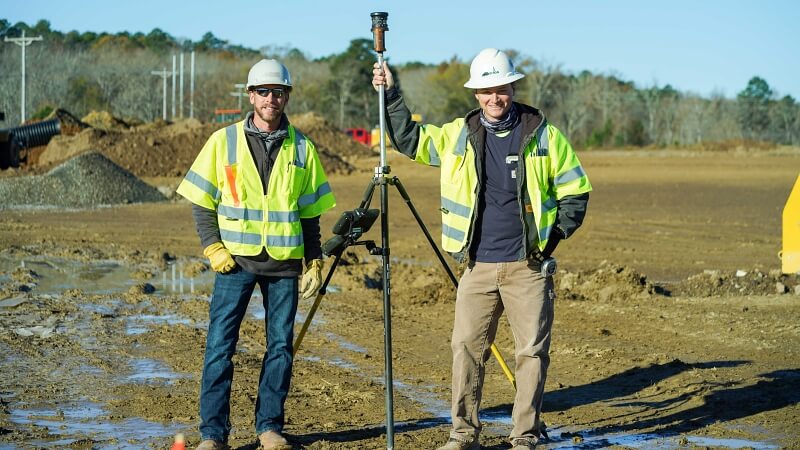
Once planning is complete, site preparation begins. This stage involves clearing vegetation, removing debris, grading the land, and preparing the area for construction.
Earthwork contractors play a major role during this phase by shaping the land and ensuring the ground can support the weight of the roadway. Soil stabilization and compaction are critical for preventing future settlement or pavement failure.
Drainage systems are also installed during site preparation. Proper water management protects the road from erosion and helps maintain long-term structural integrity.
Without a stable foundation, even the highest-quality asphalt road will eventually deteriorate. That is why site preparation is such an important part of the construction of road systems.
Building the Road Base
After the site is prepared, crews begin building the road base. The base layer supports the pavement above it and distributes the weight of traffic evenly across the roadway.
This layer is usually made from crushed stone, gravel, or other compacted aggregate materials. Proper compaction is essential because weak or uneven base layers can lead to cracks, potholes, and surface failure over time.
For many projects, understanding how to build a road starts with creating a strong foundation beneath the pavement itself. The quality of the base directly impacts the lifespan and performance of the finished roadway.
Asphalt Paving and Surface Layers
Once the base is complete, asphalt paving begins. Asphalt is produced at specialized plants and transported to the job site while still hot. Crews then spread and compact the asphalt in layers using paving equipment and rollers.
The final asphalt layer is designed to provide a smooth, durable driving surface capable of handling heavy traffic and changing weather conditions. Proper compaction and temperature control are critical during this phase to ensure long-term pavement performance.
Modern asphalt road systems are engineered to balance strength, flexibility, and safety. Depending on the project, roads may include multiple asphalt layers designed for different structural purposes.
Safety and Quality Control
Throughout every phase of road construction, safety and quality control remain top priorities. Construction crews follow strict procedures to maintain construction site safety while ensuring materials and workmanship meet project specifications.
Inspections are performed regularly to verify grading accuracy, pavement thickness, compaction levels, and drainage performance. These quality checks help ensure roads are built to handle years of traffic and environmental stress.
At RedStone Construction, maintaining high standards throughout the construction process helps deliver roads that provide long-lasting value to Arkansas communities.
The Importance of Skilled Construction Teams
Building roads requires coordination between engineers, project managers, equipment operators, paving crews, and safety personnel. Every phase of the project depends on experienced professionals working together efficiently.
From understanding how to make road systems, and how roads are made safer and more durable to managing traffic flow during active construction, skilled teams are essential to successful infrastructure projects.
At RedStone Construction, our crews bring years of experience in road construction, asphalt paving, and highway infrastructure development across Arkansas.
Building Roads That Last
The process of how roads are made involves far more than laying asphalt. It requires careful planning, precise engineering, proper site preparation, and skilled construction practices at every stage.
From the first phase of road design to the final asphalt layer, every decision impacts the safety, durability, and performance of the finished roadway.
Contact RedStone Construction today to learn more about our road construction services and how our experienced team delivers high-quality infrastructure projects across Arkansas.