
Summer is one of the busiest seasons for road construction, with longer daylight hours and favorable weather allowing crews to complete essential projects. However, with increased activity comes increased risk. Ensuring the safety of both construction crews and the general public is critical during these high-traffic months. In this blog, we will cover the top 10 road construction safety tips to help prevent accidents, reduce project delays, and protect everyone involved. Whether you are a contractor, construction worker, or driver passing through a work zone, these safety measures can save lives and improve project outcomes.
1. Start with a Comprehensive Safety Plan
Before any road construction project begins, it is vital to have a detailed safety plan in place. This includes mapping out the work zone, identifying potential hazards, and establishing emergency procedures. A safety plan should be shared with all team members, subcontractors, and relevant personnel so that everyone understands their role in maintaining a secure worksite.
A strong safety plan not only protects workers but also ensures compliance with OSHA regulations and local transportation guidelines. Reviewing the plan regularly, especially during longer projects, helps adjust for changing conditions or crew turnover.
2. Use High-Visibility Safety Gear
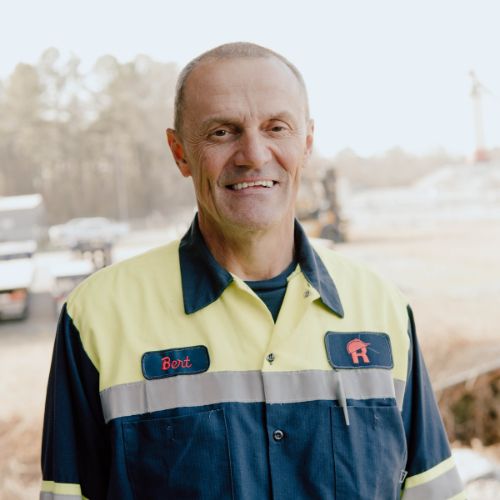
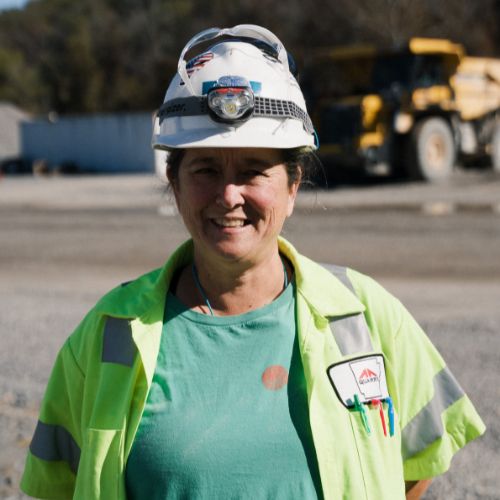
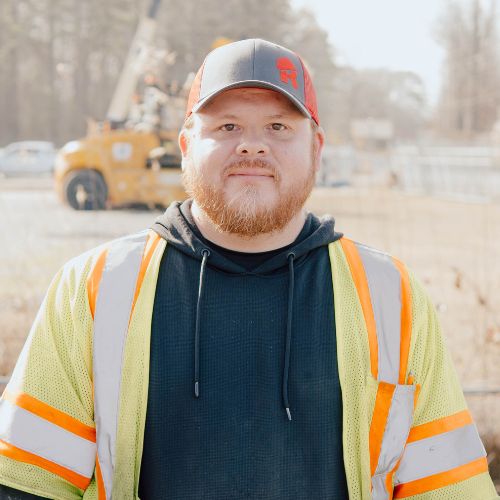
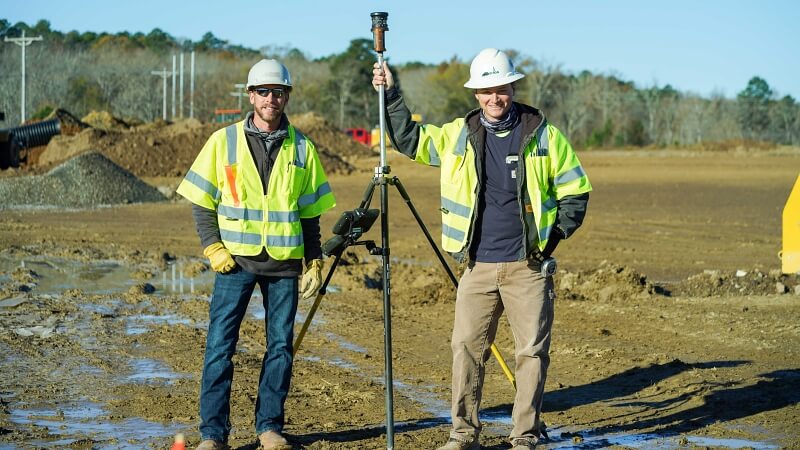
Personal Protective Equipment (PPE) is one of the most basic, yet most effective ways to stay safe. Workers should wear high-visibility vests, hard hats, safety goggles, gloves, and steel-toed boots. During night work or in low-visibility conditions reflective materials are essential.
High-visibility clothing allows workers to be seen by drivers from a distance, reducing the risk of collisions or incidents. Make sure gear is well-fitted and in good condition to avoid impairing movement or vision.
3. Clearly Mark the Work Zone
A properly marked work zone is critical to controlling traffic and protecting workers. Use cones, barrels, barriers, and signage to warn drivers of upcoming lane closures or detours. Digital message boards and flashing lights are especially useful on high-speed roads or in poorly lit areas.
Work zone signage should begin well before the actual construction area to give drivers time to slow down or change lanes. Always follow the Manual on Uniform Traffic Control Devices (MUTCD) standards for placement and visibility.
4. Reduce Speed Limits in Construction Zones
Speeding is one of the leading causes of accidents in work zones. Reduced speed limits should be posted clearly and frequently throughout the construction area. In many states, fines for speeding in a work zone are doubled to encourage compliance.
Enforcing lower speed limits protects workers, drivers, and equipment. It also minimizes the chances of property damage and injury, especially when heavy machinery is operating near traffic.
5. Train All Workers on Safety Protocols
Proper training ensures that every team member understands safety procedures and knows how to respond in emergencies. Regular safety meetings, toolbox talks, and refresher courses should be part of every road construction project.
Topics to cover include equipment operation, flagging procedures, traffic control plans, and how to recognize heat exhaustion and fatigue, especially important during summer months. Empowering workers with knowledge builds a safer, more confident crew.
6. Assign Flaggers and Traffic Controllers
In high-traffic areas or complex work zones, trained flaggers should direct vehicles safely through or around the site. These workers play a vital role in communication between the crew and the public.
Flaggers should always be properly equipped with signs, radios, and high-visibility gear. They must remain alert at all times and have the authority to stop or slow traffic when necessary. Clear communication between flaggers and machine operators also helps prevent internal site accidents.
7. Stay Aware of Weather Conditions
Summer weather can be unpredictable, with sudden storms, intense heat, or even flash flooding affecting work conditions. Always monitor the forecast and have a contingency plan in place. If lightning or heavy rain is expected, it may be necessary to delay work for safety reasons.
Heat-related illnesses, such as heat exhaustion or heat stroke, are also a concern. Provide shaded rest areas, access to water, and mandatory break times to keep crews hydrated and healthy.
8. Use Proper Lighting for Night Work
When road construction extends into the evening or overnight hours, proper lighting becomes essential. Portable light towers, headlamps, and illuminated signage help maintain visibility for both workers and drivers.
Lighting should be positioned to avoid blinding oncoming traffic or casting shadows that obscure work areas. Consider the direction and intensity of light sources to ensure a safe and efficient environment.
9. Maintain and Inspect Equipment Regularly
Heavy equipment failure can lead to serious accidents. All vehicles and machinery should undergo routine inspections and maintenance, especially when used daily. Check for worn tires, broken lights, loose bolts, or fluid leaks before each shift.
Only trained personnel should operate equipment, and all workers nearby should be familiar with safety zones and blind spots. Clearly marked walkways and designated loading/unloading areas also reduce the risk of injury.
10. Communicate Effectively Across the Job Site
Clear communication is vital to any safe work environment. Radios, hand signals, and daily briefing sessions help ensure that everyone stays informed of current tasks, traffic flow, and any changing site conditions.
Miscommunication can lead to dangerous missteps, especially when multiple contractors or subcontractors are working simultaneously. Foster a culture where workers feel comfortable speaking up about potential hazards or safety concerns.
Frequently Asked Questions
1. Why is road construction more dangerous in the summer?
Increased daylight and dry conditions make summer ideal for construction, but it also leads to more traffic and longer workdays, which heightens the risk of accidents and heat-related illness.
2. What is the most common cause of work zone accidents?
Speeding and distracted driving are the top causes of accidents in construction zones. That is why visible signage, reduced speed limits, and alert flaggers are so important.
3. Are fines higher in construction zones?
Yes. In many areas, fines for speed or violating traffic laws in a construction zone are doubled, especially when workers are present.
Contact RedStone Construction Group Today
As road construction ramps up during the summer, safety should always come first. From planning and training to visibility and communication, each step plays a crucial role in protecting workers and the public alike. By following these 10 safety tips, contractors and crews can minimize risk, improve efficiency, and complete projects on time without incident.
At RedStone Construction Group, safety is at the core of every project we take on. Based in Little Rock, Arkansas, and proudly serving the surrounding areas, our team specializes in asphalt, base, concrete, earthwork, milling, parking lot maintenance, recycling, underground utilities, erosion control, and more. To learn how we prioritize safety and quality in every job, contact us at (501) 374-1557 or email info@redstone-cg.com. Let’s build a better, safer future – together.