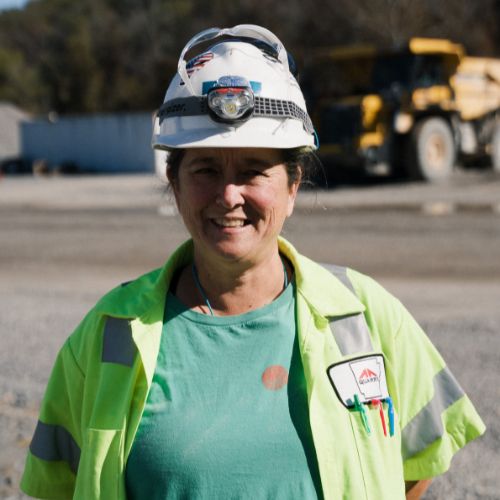

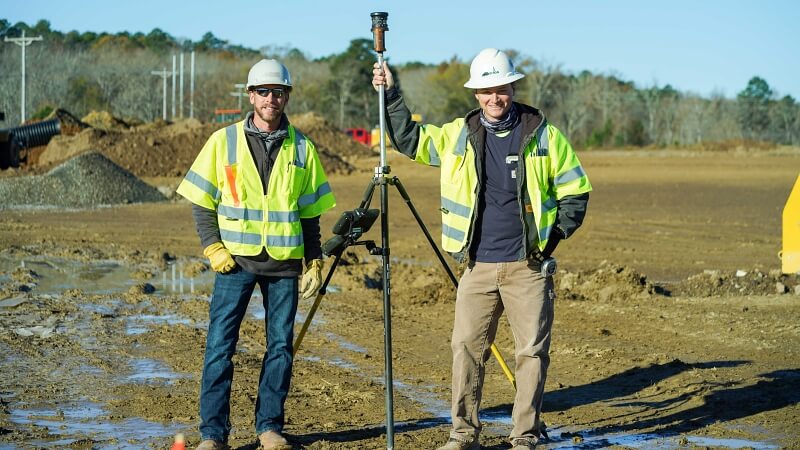
Construction sites are inherently complex environments, with multiple teams, heavy machinery, and tight schedules all operating simultaneously. For projects in 2026, proactive safety planning has never been more critical. A structured approach to safety protects workers, maintains compliance, and ensures projects stay on schedule and on budget.
At RedStone Construction, we prioritize construction safety Arkansas-wide by integrating planning, training, and monitoring into every project. For highway construction, paving operations, and commercial development, careful safety planning is a cornerstone of successful project delivery.
The Importance of Construction Safety Planning
Safety planning begins long before the first shovel hits the ground. By evaluating potential risks, creating emergency protocols, and establishing clear guidelines, project managers can prevent accidents and protect both workers and the public.
Highway construction safety, in particular, involves managing traffic flow, coordinating with local authorities, and minimizing exposure to moving vehicles. Even minor oversights can lead to injuries, project delays, or costly regulatory fines. Proactive planning reduces these risks while creating a culture of accountability and awareness among all team members.
Key Components of Safety Planning
Effective safety planning for construction projects in 2026 includes several critical elements:
Risk Assessment: Identifying hazards unique to the site, including traffic, equipment operation, and environmental conditions.
Emergency Preparedness: Developing procedures for accidents, medical incidents, or equipment failures ensures quick response and minimizes impact.
Worker Training: All team members must be familiar with safety protocols, PPE usage, and proper handling of machinery and materials.
Site Monitoring: Regular inspections and audits keep safety measures up to date and enforce compliance.
Communication Plans: Clear communication channels allow immediate reporting of hazards and coordination among crews, supervisors, and subcontractors.
Implementing these measures protects employees while maintaining efficiency on active construction sites.
The Role of Paving Contractor Safety
For paving contractors, the challenges of maintaining a safe work environment are unique. Asphalt paving, milling, and highway construction involve heavy equipment, hot materials, and variable traffic conditions. Without proper safety planning, risks increase significantly.
- RedStone Construction addresses these challenges by using:
- Flaggers and traffic control devices to protect workers and drivers
- Scheduled equipment maintenance to reduce mechanical failures
- Job-specific safety protocols for each paving operation
- Continuous monitoring and adjustment based on site conditions
These strategies ensure that every paving contractor project meets or exceeds safety standards while minimizing interruptions and maintaining high-quality results.
Benefits Beyond Compliance
Prioritizing construction safety has benefits beyond regulatory compliance. Projects with strong safety programs often see:
- Fewer work stoppages and reduced downtime
- Lower insurance premiums and claims
- Improved worker morale and retention
- Enhanced reputation among clients, contractors, and the public
Safety planning is not just about avoiding accidents, it directly contributes to project efficiency, cost control, and overall success.
Planning for 2026 Construction Projects
As Arkansas continues to grow, highway and commercial projects are expected to increase in scale and complexity. This makes thorough safety planning even more important. RedStone Construction combines expertise in road construction, paving, and project management to implement safety strategies that adapt to evolving project demands.
From large-scale highway construction to municipal paving projects, our team emphasizes planning, training, and communication to protect workers and ensure projects are delivered on time and on budget.
Local Expertise in Construction Safety
At RedStone Construction, construction safety Arkansas teams can rely on is built into every step of the process. Our comprehensive safety planning strategies help prevent accidents, streamline operations, and support long-term infrastructure development. By addressing hazards before they become issues, we provide clients with confidence that projects will be safe, efficient, and high-quality.
Ensure your next project starts with safety in mind. Contact RedStone Construction today to learn more about our construction safety planning services for 2026.