
Most people experience a road only after construction is complete. They notice the pavement, lane markings, traffic signals, and the overall condition of the driving surface. What they rarely see is the extensive planning that takes place long before the first piece of equipment arrives on the job site.
Road design is one of the most important stages of any infrastructure project because it influences everything that follows. Safety, traffic flow, drainage, durability, and long-term maintenance are all affected by decisions made during the design phase.
A well-designed road does much more than connect two locations. It supports economic growth, improves transportation efficiency, protects drivers, and creates infrastructure that communities can depend on for decades.
At RedStone Construction, we understand that successful projects begin with thoughtful planning. Every road construction project depends on a design that considers not only today’s needs but also the demands that roads will face years into the future.
Road Design Is More Than Drawing a Route
Many people assume that road design simply involves determining where a road should be built. In reality, the process is much more detailed.
Engineers must evaluate traffic patterns, existing infrastructure, environmental conditions, utility locations, topography, drainage systems, and long-term maintenance requirements before construction can even begin, following standards set by bodies like AASHTO.
The design process also includes determining road width, lane configurations, turning radii, elevation changes, pavement materials, and traffic management strategies.
These decisions influence how safely vehicles travel, how efficiently traffic moves, and how well the roadway performs over time.
Understanding how to build a road requires much more than selecting a route between two destinations. It requires a comprehensive approach that balances safety, functionality, and long-term performance.
Safety Begins During the Design Phase
Road safety starts long before asphalt is placed.
Poorly designed roads can create visibility problems, increase congestion, contribute to drainage issues, and raise the likelihood of accidents. Conversely, effective road design helps reduce hazards by improving traffic flow and creating more predictable driving conditions.
Engineers carefully consider several factors when developing a roadway design. They evaluate how vehicles enter and exit intersections, how curves affect driver visibility, and how road surfaces will respond to different weather conditions.
The construction of road infrastructure requires careful attention to these details because even minor design flaws can create significant challenges after a project is completed.
At RedStone Construction, safety remains a priority throughout every stage of construction, beginning with the earliest planning discussions.
Drainage Is One of the Most Overlooked Design Elements
One of the most important components of road design is also one of the least visible.
Water can significantly shorten the lifespan of a roadway if it is not properly managed. Without effective drainage systems, water can weaken the base beneath the pavement, contribute to erosion, and accelerate deterioration, a risk documented by agencies such as the Arkansas Department of Transportation.
Designers must account for rainfall, runoff patterns, surrounding terrain, and soil conditions when developing construction plans.
Proper drainage helps preserve pavement performance while protecting the structural integrity of the entire roadway.
Many road failures can be traced back to water management issues that began during the planning phase rather than problems with the paving itself.
Materials and Design Work Together
A roadway is only as strong as the materials used to build it.
Road designers must determine which materials will provide the best performance based on traffic demands, environmental conditions, and expected usage. Several factors shape a roadway’s lifespan:
- Asphalt selection
- Aggregate composition
- Pavement thickness
- Base preparation
An asphalt road carrying thousands of commercial vehicles every day requires a different design approach than a roadway serving a residential neighborhood.
Understanding how to build a road means recognizing that design and material selection are closely connected. A successful project depends on both working together.
At RedStone Construction, we take a comprehensive approach that combines careful planning with proven construction practices to create durable infrastructure throughout Arkansas.
Great Infrastructure Requires Collaboration
Road construction projects involve much more than contractors and heavy equipment.
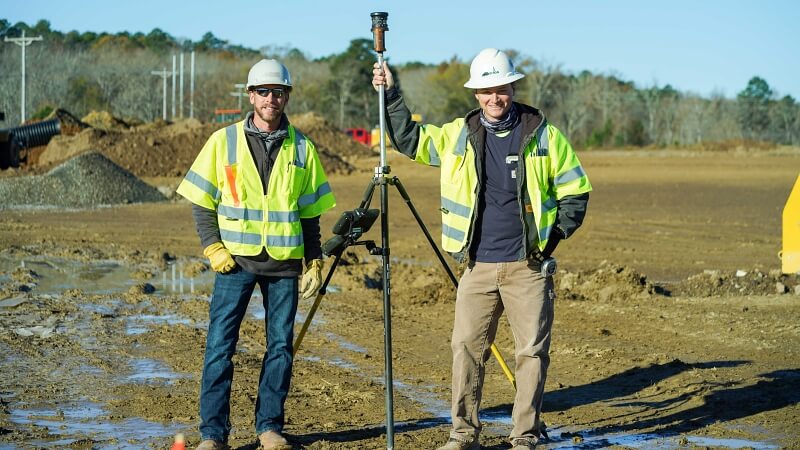
Engineers, municipalities, utility providers, transportation agencies, surveyors, and construction teams must coordinate throughout the entire process. Successful collaboration helps reduce delays, improve communication, and ensure projects remain aligned with design specifications.
Large infrastructure projects often involve multiple stakeholders working toward a common goal. Effective communication throughout the design and construction process helps create stronger outcomes for everyone involved.
Whether the project involves repaving existing roads or constructing entirely new transportation corridors, collaboration remains one of the most important factors in long-term success.
Building Safer Roads for Arkansas Communities
Road design influences every aspect of a roadway’s performance. From traffic flow and safety to drainage and durability, the decisions made during the planning phase directly affect how a road will serve its community.
At RedStone Construction, we believe infrastructure should be built with both immediate needs and future growth in mind. Our experience with road construction projects throughout Arkansas, backed by our own asphalt plants and rock quarries, allows us to deliver solutions that prioritize quality, safety, and long-term performance.
The next time you drive on a well-maintained roadway, remember that its success likely began long before construction started. It began with a thoughtful design and a team committed to building infrastructure that lasts.
Frequently Asked Questions
What is the most overlooked part of road design? Drainage. Water that isn’t properly managed can weaken the base beneath the pavement, contribute to erosion, and accelerate deterioration.
Why does road design affect safety before construction even starts? Because decisions made during planning, like how curves affect visibility and how intersections are laid out, determine how safely vehicles can travel once the road is built.
What materials factor into road design? Asphalt selection, aggregate composition, pavement thickness, and base preparation all influence how long a road performs under traffic and weather.
Who is involved in designing a road? Engineers, municipalities, utility providers, transportation agencies, surveyors, and construction teams all coordinate throughout the design and construction process.
Want to see how thoughtful design shapes real projects? Explore RedStone’s road construction services.